

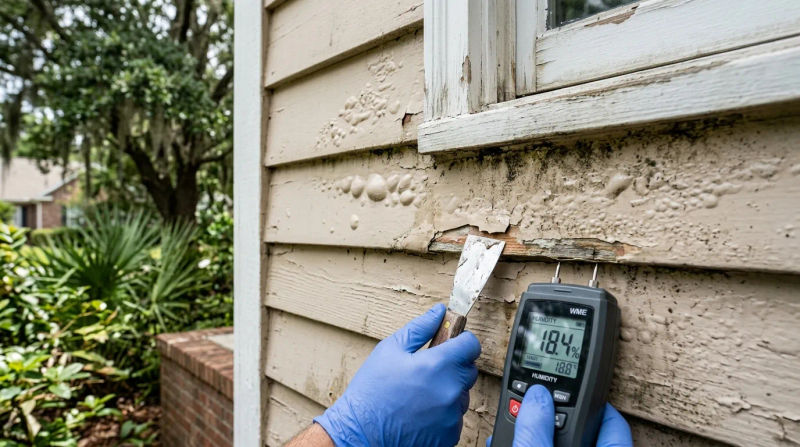
Living in Pooler, you know that July brings a unique kind of heat - one you can wear. You step outside, coffee in hand, and the thick, humid air is instant. But as you glance at your home's exterior, you might notice something else: a small, subtle bubble in the paint on your siding, or a few flakes peeling near a window trim. It’s easy to dismiss these as minor cosmetic issues, but with our intense Georgia summers, they are often the first summer paint failure signs and a warning that bigger problems are brewing under the surface.
The combination of high heat and relentless humidity, punctuated by frequent thunderstorms, creates the perfect storm for exterior paint failure. As a specialist who has spent over a decade working on homes in the Lowcountry, I’ve seen firsthand how our climate can challenge even the best paint jobs. Understanding these early warning signs is crucial, especially with hurricane season on the horizon, as small vulnerabilities can quickly become major points of water intrusion during heavy, wind-driven rain.
Common Signs and Symptoms
Keeping an eye on your home’s exterior is a proactive step in protecting your investment. Our technicians are trained to spot these specific symptoms during inspections, as they often point to underlying issues that need to be addressed. Here are seven common signs that the summer humidity is taking a toll on your paint:
- Blistering or Bubbling: This is one of the most direct signs of humidity paint blistering. You’ll see bubbles or blisters - ranging from small pimples to large, swollen pockets - forming on the paint’s surface. This happens when heat causes trapped moisture under the paint film to expand, pushing the paint away from the substrate (the siding or trim).
- Peeling, Flaking, or Cracking: Blisters are often a precursor to peeling. Once a blister breaks, the paint begins to flake and peel away, exposing the surface underneath. In the Pooler area, high dew points mean surfaces stay damp longer, especially overnight, which saturates the edges of failing paint and accelerates exterior paint peeling.
- Alligatoring: This describes a pattern of cracking in the paint that resembles the scales on an alligator’s back. It’s typically caused when a rigid topcoat is applied over a more flexible one or when the paint can't expand and contract with the surface during our drastic temperature swings from hot sun to cool rain.
- Chalking: Run your hand over a section of siding. If a fine, chalky powder comes off, the paint is “chalking.” This is a sign that the paint’s binder is breaking down due to sun and moisture exposure. While some chalking is normal as paint ages, excessive or premature chalking indicates the paint film is failing and no longer protecting your home effectively.
- Dark Specks or Stains (Mildew and Mold): Our humid environment is a breeding ground for mildew and mold. You may see black, gray, or green specks, especially on shaded or north-facing walls that don’t get much direct sunlight. This is a classic sign of mildew under paint siding, where moisture is allowing organic growth to thrive on or even beneath the paint film.
- Efflorescence on Masonry: Many modern homes in our area, particularly those built in the last 15 years, feature beautiful stone or brick accents. If you see a white, crystalline deposit on these surfaces, it’s called efflorescence. This is salt being drawn out of the masonry by moisture. While not a paint failure itself, it’s a clear indicator that water is moving through the substrate, which will inevitably cause any paint applied over it to fail.
- Uneven Fading or Discoloration: The intense UV radiation of a Georgia summer is tough on paint pigments. When combined with constant moisture, it can accelerate fading. If you notice that your home’s color looks washed-out, blotchy, or significantly lighter than it used to be, the protective qualities of the paint have been compromised.
What Causes This Problem
Identifying the symptoms is the first step, but understanding the root cause is essential for a lasting solution. In our experience, paint failure is rarely caused by just one thing; it’s usually a combination of factors. Our diagnostic process always focuses on pinpointing the why behind the failure.
- Trapped Moisture: This is the number one enemy. Moisture can get trapped when paint is applied to a surface that wasn’t completely dry. It can also come from inside the wall, forced outward by humidity. The complex, multi-gabled rooflines common on homes in newer communities around Port Wentworth and Pooler can create numerous valleys and flashing points where water can get behind siding if not perfectly sealed, leading to paint failure from the inside out.
- Inadequate Surface Preparation: A successful paint job is 80% preparation. Simply pressure washing and painting is not enough. Old, failing paint must be scraped and sanded. Surfaces must be cleaned of all dirt, oils, and mildew. Bare wood or metal must be primed with the correct type of primer. Skipping any of these steps is the most common reason we see for premature exterior paint peeling.
- Improper Application Conditions: Painting in the wrong weather can doom a project from the start. Applying paint in direct, intense sunlight can cause it to dry too fast, trapping solvents and creating a weak film. Painting when humidity is too high prevents the paint from curing properly, leading to poor adhesion and humidity paint blistering down the road.
- Using the Wrong Products: Not all paints are created equal. A lower-quality paint may not have the flexible binders or robust mildewcides needed to withstand the Lowcountry climate. It’s critical to select premium coatings specifically formulated for high humidity and UV exposure.
- Structural Water Intrusion: Sometimes, the paint is just the messenger. The real problem might be clogged gutters, failed window caulking, or a leaky roof that is allowing water to get behind the siding. Before any painting is done, these entry points must be found and fixed.
When to Call a Professional
Deciding between a DIY fix and hiring a professional often comes down to the scope and complexity of the problem.
A small area of peeling on a first-floor wall might be a manageable weekend project if you’re confident in your ability to properly scrape, sand, prime, and paint. However, many summer paint failure signs point to systemic issues that require a professional diagnosis.
It’s time to call for professional help when you see:
- Widespread Failure: If you see blistering, peeling, or cracking on multiple walls or across large sections of your home.
- Signs of Moisture Intrusion: The presence of mildew under paint siding, soft or rotting wood, or efflorescence indicates the problem is more than skin deep.
- Recurring Problems: If you’ve tried to fix an area yourself and the problem comes back within a year, it means the root cause was not addressed.
- Access and Safety Concerns: For two-story homes, complex rooflines, or hard-to-reach areas, our trained crews have the right safety equipment and ladders to do the job safely and efficiently. The risk of injury for an inexperienced homeowner is significant.
An experienced professional will not just paint over the problem. They will perform a thorough inspection to diagnose the cause, create a detailed preparation plan, and use standardized processes to ensure every step - from cleaning to the final coat - is done correctly.
Conclusion
Your home’s exterior paint is its first line of defense against the elements. Here in coastal Georgia, that defense is under constant assault from heat, sun, and humidity. Paying attention to early warning signs like blistering, peeling, and mildew can save you from far more extensive and costly repairs later.
Don’t wait for a small blister to become a widespread peeling problem, especially with the potential for heavy rains during hurricane season. Addressing these issues early not only restores your home's curb appeal but also ensures its structure remains protected for years to come.
If you notice any of these signs, contact a local painting professional for an inspection. A thorough diagnosis today is the best way to ensure a durable, long-lasting finish for your home.